
An interdisciplinary collective practicing craft & expanding the grammar of ornament.OUR NAME
Inspired by the idea of gathering across cultures — exploring traditions of folklore and expression, and reimagining them for our lives today.
about
Folk Lounge is a contemporary craft collective founded by multidisciplinary artist and design leader Shagho that bridges ancestral ornamental traditions with urgent contemporary needs. Through contemplative craft circles held in public parks and collaborative programs with cultural institutions, Folk Lounge creates living spaces where traditional practices become responses to the crises of our time: nature deficit, digital overwhelm, cultural homogenization, and the erosion of intergenerational knowledge transmission.
At its heart, Folk Lounge operates on a simple but radical premise: that gathering to make beauty with our hands is essential cultural infrastructure. The work sits at the intersection of cultural preservation, ecological awareness, and community building, treating traditions as seeds that need planting. At a time when handmade objects are being displaced by mass production and ornamental traditions quietly disappear from daily life, the artisans who carry these practices deserve a platform that takes their work seriously.
Folk Lounge programs are grounded in ongoing scholarly research and engagement with museum collections in United States and global virtual archives across regions. This research foundation ensures that programs honor the deep histories and geographies embedded in ornamental practices while allowing for adaptive evolution that speaks to contemporary experience.
folklore today
You don’t need permission to make something with your hands. You don’t need a degree to know the plants on your street, or a stage to sing.
Somewhere along the way we were trained, maybe over-civilized, to believe that everything meaningful lives on the outside. Art is what other people make. Culture is what we watch. Meaning is something we have to go and find.
Folklore is the repair. It turns us back toward the inside: hands that can stitch, a voice that can carry a song, a body that remembers how to dance. It’s how people have always made textiles, gardens, songs and dances out of their own lives, and mended themselves along the way.
Folklore isn’t taught so much as learned. You pick it up by doing it, beside other people. And it’s never finished. Every telling is an edit, and every pattern changes a little in new hands. Tradition stays alive because people keep taking part in it.
That’s what it offers now, in a time when so many of us feel unmoored. Agency instead of spectating. A relationship with the place you live. And joy: the first finished piece, the song a room knows by heart, the hours that pass with busy hands.
Think of this work as a garden. Everything here is meant to be touched, tried, adapted and carried home. Come make something that’s yours.
mission
Harmony works with our nature and ecosystems. We are wired to pursue things that make us feel inspired.
beauty is healing
We can explore culture, history, geography, politics, mythology & the human story through time across borders.
ornament is a door
We need spaces where we can learn from different generations at once to be balanced & grounded in our experience of life in it’s vast experience.
cross-generational
It’s ready for us to return to land, to stories, to stewardship and co-creation with more than human world.
nature is calling
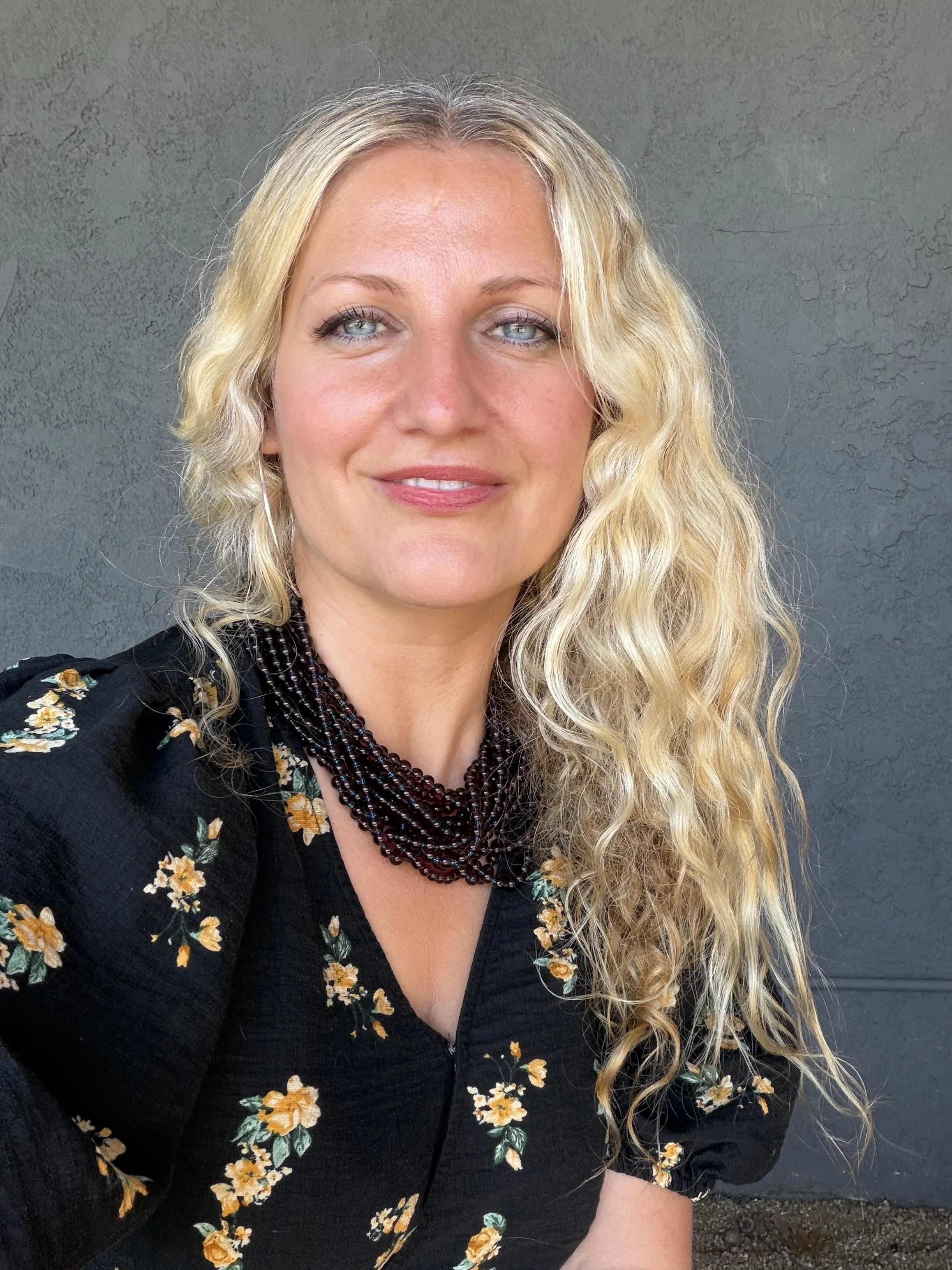
“ We're crafting a softer world where people can thrive.
Shagho, Founder
sacred ground
We recognize that the land we occupy today is the traditional and ancestral homeland of the Tongva, Tataviam, Serrano, Kizh, and Chumash peoples. We honor their elders, past, present, and emerging, for their continued stewardship of these lands, waters, and communities.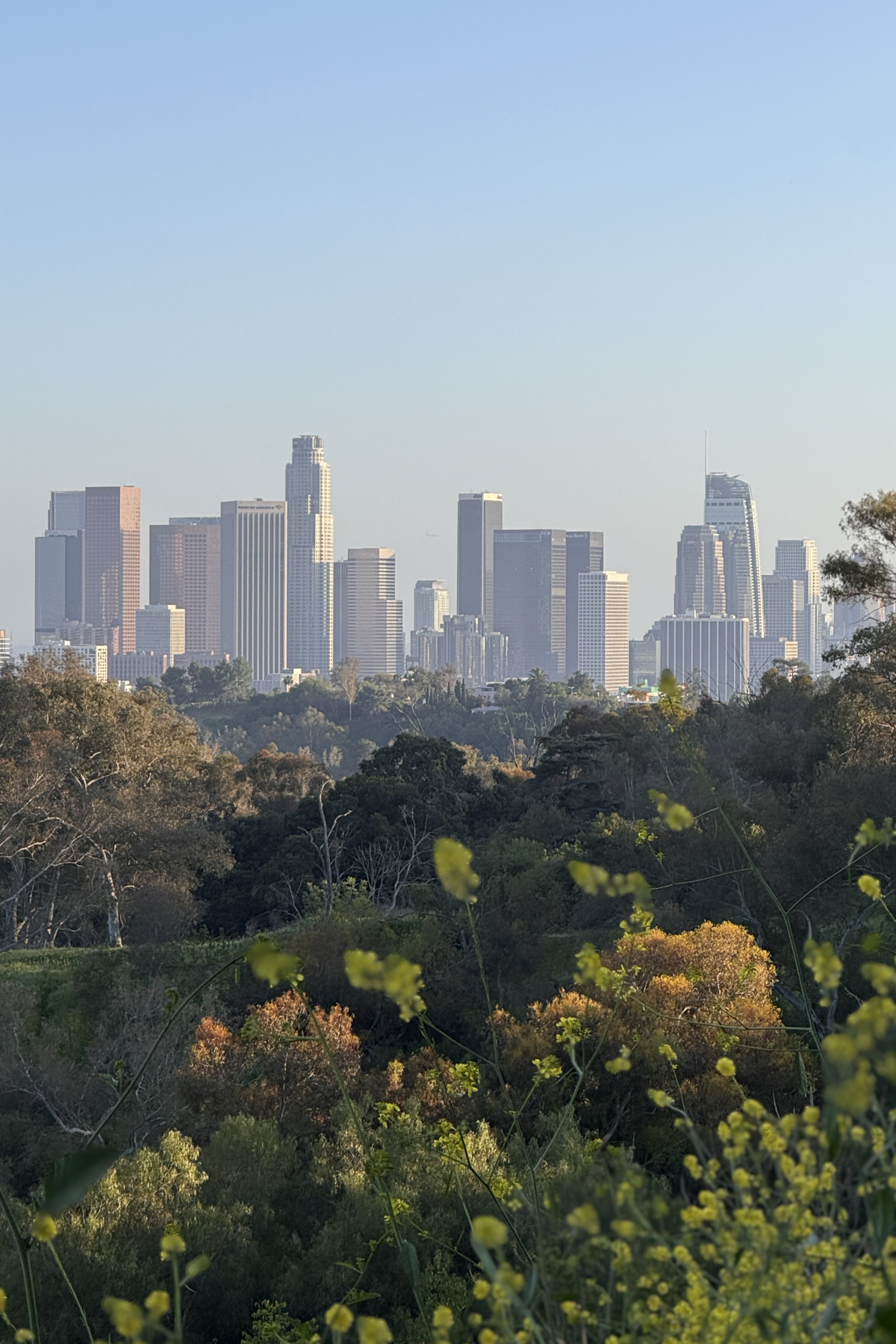
We acknowledge the deep and lasting impacts of settler colonization, including the displacement, violence, and trauma experienced by Indigenous peoples, and commit to the ongoing work of truth, reconciliation, and healing. As we gather and create here, we are grateful for the opportunity to learn, grow, and live on these sacred lands, and we support the elevation of Indigenous voices and cultures.Textile ✥ Illustration ✥ Craft ✥ Art
welcome to
Textile ✥ Illustration ✥ Craft ✥ Art welcome to
✿ ✿ ✿
ꕤ
dream it into being
ꕤ
✿ ✿ ✿ ꕤ dream it into being ꕤ
UNESCO intangible heritage
The importance of intangible cultural heritage is not the cultural manifestation itself but rather the wealth of knowledge and skills that is transmitted through it from one generation to the next.
-
With newly developed cultural instruments UNESCO (United Nations Educational, Scientific and Cultural Organization) has expanded it's mission to intangible heritage which now includes traditions or living expressions inherited from our ancestors and passed on to our descendants, such as oral traditions, performing arts, social practices, rituals, festive events, knowledge and practices concerning nature and the universe or the knowledge and skills to produce traditional crafts.
"An understanding of the intangible cultural heritage of different communities helps with intercultural dialogue, and encourages mutual respect for other ways of life. An important factor in maintaining cultural diversity in the face of growing globalization."
The social and economic value of this transmission of knowledge is relevant for minority groups and for mainstream social groups within a State, and is as important for developing States as for developed ones.
UNESCO's 2024 survey reveals that 62% of artists and culture professionals worldwide receive poor or no protection of their economic and social rights—a striking indicator of the fragility of intangible heritage transmission. This vulnerability is reflected in global heritage expenditure, which varies dramatically from $1 to over $515 per capita across reporting nations, underscoring vast disparities in how communities resource cultural preservation.
In response to these challenges, UNESCO launched the 2025 Framework for Cultural Statistics at MONDIACULT 2025, establishing new methodologies to measure not just culture's economic contributions, but its social value—recognizing that the true worth of living traditions lies in the knowledge transmission itself, and the communities who sustain it.
We stand at the threshold of the emergence of a new cultural commons—one that centers the practitioners, values social impact alongside economic contribution, and recognizes living heritage as essential infrastructure for resilient communities.
LA’s Our County vision
Folk Lounge's practice directly advances OurCounty's vision by addressing culture as essential infrastructure for sustainable, equitable communities.
-
By creating accessible gatherings in LA County's parks and public spaces, a call for recreational and cultural opportunities while modeling inclusive participation—for communities historically excluded from institutional arts spaces. The practice of contemplative embroidery in public spaces serves as what OurCounty identifies as critical: restorative environments that support community health and well-being. Folk Lounge's peer-to-peer learning model and intergenerational exchange distribute creative capacity throughout diverse communities, challenging the concentrated cultural power structures that mirror the economic inequities OurCounty seeks to address. By treating traditional craft knowledge as living practice rather than archived artifact, and by creating space for cultural synthesis across LA's diasporic communities, Folk Lounge contributes to what the plan calls "thriving" systems—not just ecological, but cultural ecosystems that need tending, adaptation, and equitable access. Folk Lounge's work suggests that cultural sustainability—the ability to gather, make, share knowledge, and belong—is inseparable from environmental and economic justice.
812
UNESCO-recognized intangible cultural heritage traditions worldwide — each one a living practice at risk
130
Traditional crafts endangered or extinct in the UK alone — a pattern repeated across every continent
40 days
How often a language disappears — craft knowledge follows the same arc