Folk Lounge Interview With Founder, Shagho: How Did Folk Lounge Begin
Shagho is a multidisciplinary design leader, artist, and cultural practitioner who works at the frontiers of innovation and community. Born in Vladivostok, of Armenian and Russian heritage, she holds a BS in Fashion Design and an MFA in Human-Computer Interaction from California College of the Arts. As founder of Folk Lounge, she facilitates cultural programming to study the grammar of ornament—hosting Embroidery Socials across LA County parks that explore how traditional craft practices foster community, continue cultural preservation in contemporary urban settings, connect us with land, and encourage being.
What began informally in February 2023 as archival research of design patterns became Folk Lounge monthly park gatherings in March 2024, evolving from meet-ups into a fuller practice that includes workshops, archival research collaborations, and programming with cultural institutions.
Shagho believes in the power of collective making to weave new connections between past wisdom and future possibility. In this conversation, she traces the origins of Folk Lounge from a spontaneous encounter at LA's Ararat Eskijian Museum to the circles of stitchers now gathering regularly across Los Angeles.
What drew you to embroidery and these gatherings in parks across LA?
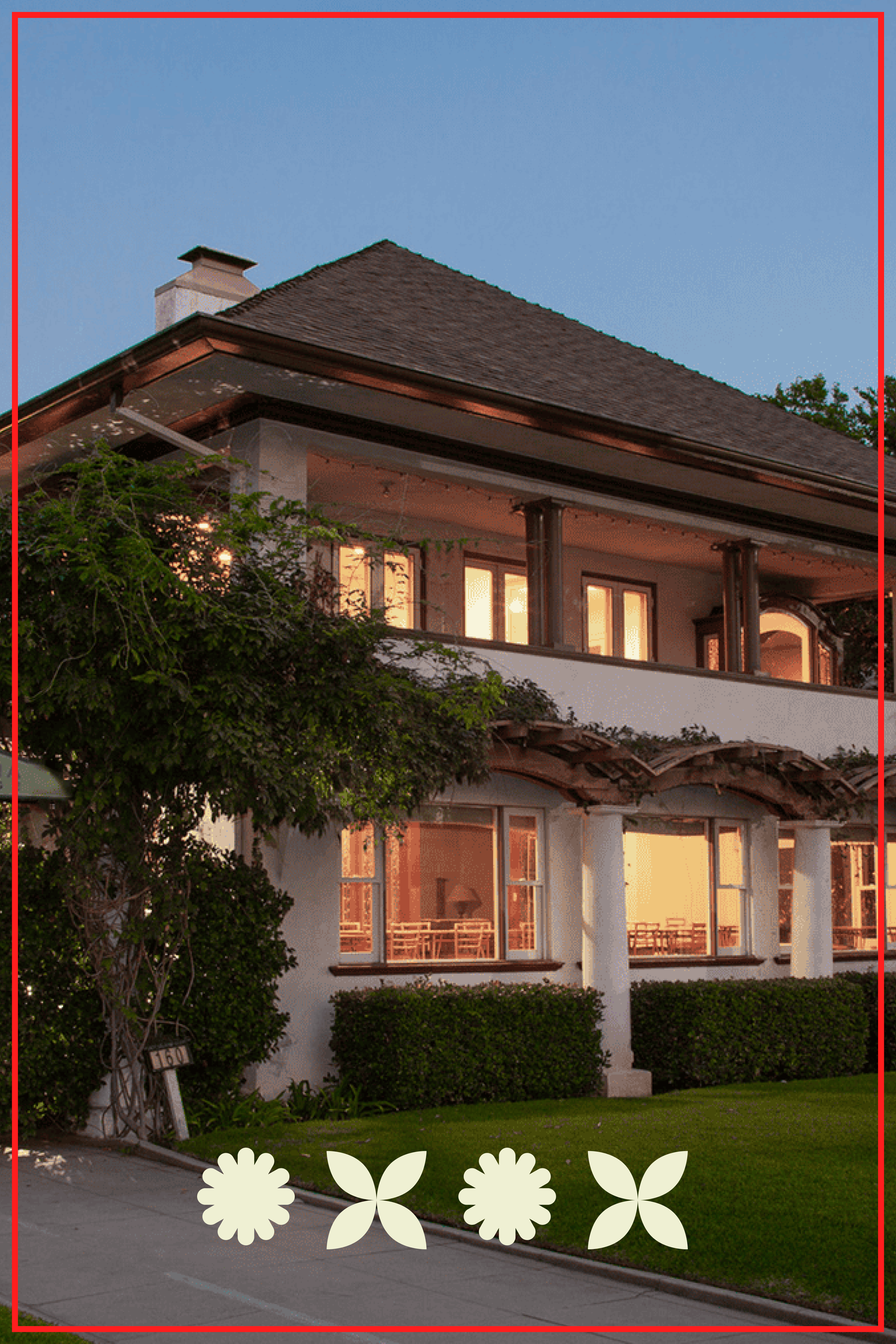
I'm half Armenian, half Russian. I grew up in Russia until age 14, then moved to the West Coast—Seattle, Oregon, San Francisco, and now Los Angeles, where I've been since 2013. I'm very grateful to be here because it has a lot to offer in terms of different cultures and creativity. Coming from two very ornamental cultures, I was already fascinated with folklore—the color palettes, the patterns, the depth of craft history across textiles, ceramics, architecture, music, storytelling. But the real shift happened when I visited the Ararat Eskijian Museum in Los Angeles, a small Armenian museum that's not widely known even in the Armenian community.
What happened there?
I met the executive director, Maggie (Marguerite Mangassarian), and we fell into this spontaneous four-hour conversation. She showed me pieces from the collection, talked about Armenian ornamental traditions, and I just lit up. Maggie has done such magnificent work with the museum, archives, exhibits and ongoing lectures through out the year. I left that conversation with this burning question: what makes ornament recognizable as belonging to a specific culture? What combinations of colors and motifs create that instant recognition? When I look at Moroccan or Iranian ornament, I might categorize it as Middle Eastern. What is regional, what is local? But what makes something identifiably Armenian versus Ukranian versus Korean?
That's a design question, but it sounds like it became something more personal.
It did. My grandmother—who has passed on—came to me very clearly. Not in a dream, but as a presence. She said, "You have to learn embroidery because it's important for the female lineage in your line." I'm a 42-year-old woman, and her message was that I'm now stepping into the phase of womanhood where I'm passing knowledge on to the next generation. I have to do this for my daughter, for my lineage. I was skeptical—I'd never done embroidery before. But she said, "Don't worry. Your body remembers. The cells of your ancestry will wake up. Your hands will know what to do." So I thought, okay, I have to trust this process and just take one step at a time.
Where did that first step lead you?
To Yerevan. I spent a month at the Armenian National Library doing research in their archives. That's also where my open archive work began—this practice of studying historical materials not just for academic knowledge but as living sources. What's fascinating about Armenia having such a rich diaspora is that the books I reviewed were in four different languages—Armenian, Russian, Arabic, and French. Sometimes you'd get lucky and find two languages side by side. I was absorbing the landscape of Armenian ornament across every medium I could find: coins, jewelry, bells, architecture, stone carvings, rugs, embroidery, clothing.
What was it like to sit with those materials?
There was one afternoon I remember distinctly. I opened this book—an English edition from 1856 called The Grammar of Ornament by Owen Jones. It's like an encyclopedia of ornament throughout human time. Babylonian, Egyptian, different historic periods and cultures, each with this beautiful one-page spread. The title stopped me: "the grammar of ornament." I kept thinking about that phrase. Grammar—like syntax, like how we structure sentences to create meaning. These patterns weren't random. They were a language. And I fell in love with that idea: what makes good grammar versus bad grammar in ornament? How do you speak fluently in a visual cultural language?
You come from design—fashion design undergrad, MFA in interaction design from California College of the Arts. How did that training shape how you approached these questions?
I've been a creative my whole life, always growing and making. I'm really into illustration, and that naturally took me to textiles. I also have experience making and selling things commercially. So I wasn't coming to this as a pure academic or as someone romanticizing craft. I was asking: as a designer and artist, what's the threshold between working within heritage—within an established, recognizable tradition—and introducing something new as a contemporary artist? Where do you stay within lineage and style, and where do you branch off? How do you honor what came before while bringing your own perspective and hand to it?
That's the classic tension for any artist working with tradition.
Right. As I launched embroidery socials, I was doing deep work around different cultural traditions—sacred symbolism, cosmology, indigenous traditions, mythology, anthropology. I was trying to understand: why does every culture have textile traditions? What are textiles actually doing for us? The patterns across cultures lead to encoded meaning, worship of the goddess and the famine energy energy in formation of the worlds as well as the cosmos.
What did you discover?
That embroidery and textile arts are an archive. They're an entry point into culture, into lineages and stories, as well as access to beauty and endless creativity. Stitches existed before they were made into nation-states, just like people existed before we formed geographical entities. When we look at textile traditions across the world, we see how the same techniques are done differently. To me, that speaks of different lineages where people lived next to each other. Yes, we later drew borders, gave different terms to the similar techniques and say what we do is different. But my work focuses on seeing how unified we are through what makes us happy, what makes us human. Textiles show us that.
So when did you actually start gathering people?
I'd been working in design leadership, deeply overworked, very concentrated in doing and performing. I realized I wasn't balanced as a person. There were areas of my personality that were underdeveloped or not developed at all, especially around being and joy. I started embroidering for myself, as a way to slow down. And I had this instinct: I want to do this with other people. The idea for socials emerged as a first baby step. Meet monthly in a circle, peer-to-peer, create a safe space to explore and try things. This was before "crafternoons" became a thing. Coming out of the pandemic, people were hungry to gather again. That reawakening was palpable.
What were you trying to create in those circles?
Three things, even if I hadn't fully articulated them yet. First, learning in community. Even though embroidery came fast for me—I have a built hand in drawing, illustration, sewing, surface design—I wanted to learn with others, not alone. Second, cross-generational spaces where we get to commune. I'd been a single mother for three years, and that chapter showed me how lonely we all can be at different life stages and how much wisdom there is to gain from those who are younger and older. Third, which came through practice, was meeting at different parks.
Why move around instead of establishing one location?
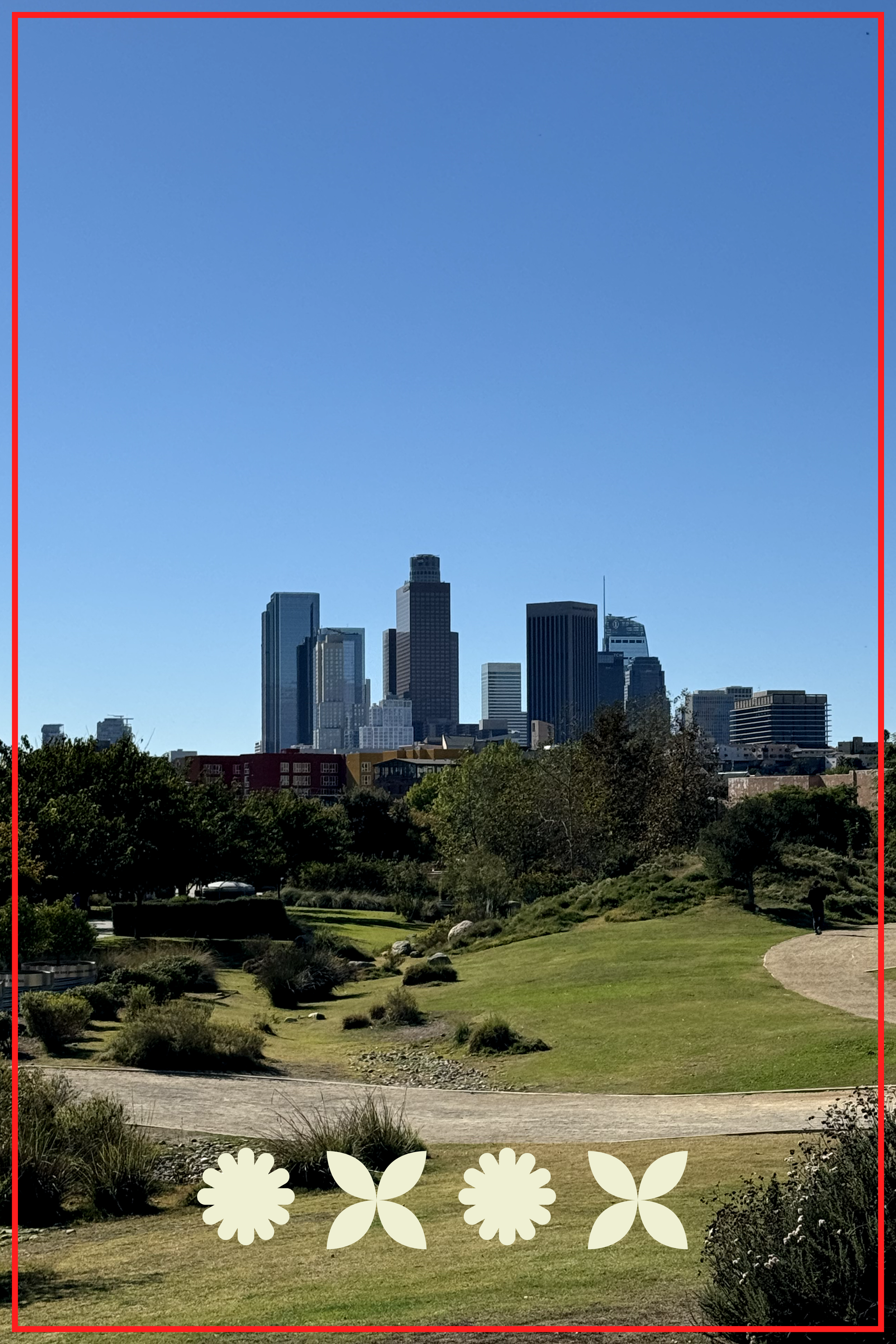
I'm in Pasadena, and I realized I was stuck in my corner of LA. There was resistance in me to go to the other side of town, to unfamiliar neighborhoods—it felt awkward, shy. But when I started choosing different parks for our gatherings, it ignited this appetite for discovery. Every park has its own character, its own community. Whenever we meet somewhere new, we get to meet the people around that park. You're connecting with people across Los Angeles, getting to know different perspectives, understanding how people live. It expands empathy for our collective experience and helps us explore our city.
When did it become "Folk Lounge"?
About a year in. I started getting invited to teach classes, develop programming. That made me realize this is a powerful tool for cultural programming—bringing people together, yes, but also addressing my own burnout on a cultural level. As I tuned my own experience and time allocation, I realized the cultural domain of textile work brings skill sets we urgently need right now—skill sets that are underdeveloped in our social fabric. I was really inspired by work of Amy Skillman, President of the American Folklore Society and previously Academic Director and now Advisor for the MA in Cultural Sustainability at Gousher College. The field of cultural sustainability, looks how we can balance out culture and develop people to create a better well being for all which connects to both UNESCO’s intangible heritage goals as well as LA County’s Our County goals. I saw this opportunity to lean on textile arts to bring forward what's been left on the side, underappreciated. Every culture has textile heritage. As today's generation, we want to continue the lineage and the knowledge onward.
What I'm witnessing in our circles are three beautiful threads. There are complete beginners who've never held a needle, discovering they can create with their hands—that agency is profound. Folks following the trails of their women ancestors, picking up techniques, building fluency, reverse engineering knowledge so it can take root with them. And those who coming back to the craft after years away—working years, life years—returning to something they loved, finally finishing projects that called them back. Folk Lounge continues to evolve, inspire and bring more people together. I am very grateful to this community of creatives, artisans and institutions.
Find all the interviews →
Events
Ready to dive deeper? Join our community of master artisans, cultural stewards, and creative practitioners exploring the intersection of traditional craft and contemporary life. Classes, intensives, and ceremonial gatherings across LA and online for artists, designers, crafters, illustrators, and makers of all backgrounds and levels. Our programs unite ancient wisdom with contemporary practice, cultivating living heritage through embodied craft, storytelling through making, communion with nature, cultural preservation, meditative practice, and the celebration of life's luminous beauty.